Our walk through history

This timeline is not just a collection of dates, but the living story of a vocation: from the “clear and precise vision” of Mother Maria Giuseppa of the Child Jesus to the profound dedication to the Child Jesus and Saint Francis. Through the milestones of our history, we relive the key moments of a journey made of faith, service, and love. This chronology lists the opening dates of the missions in which we are still present today.

Discover our walk through history
1845

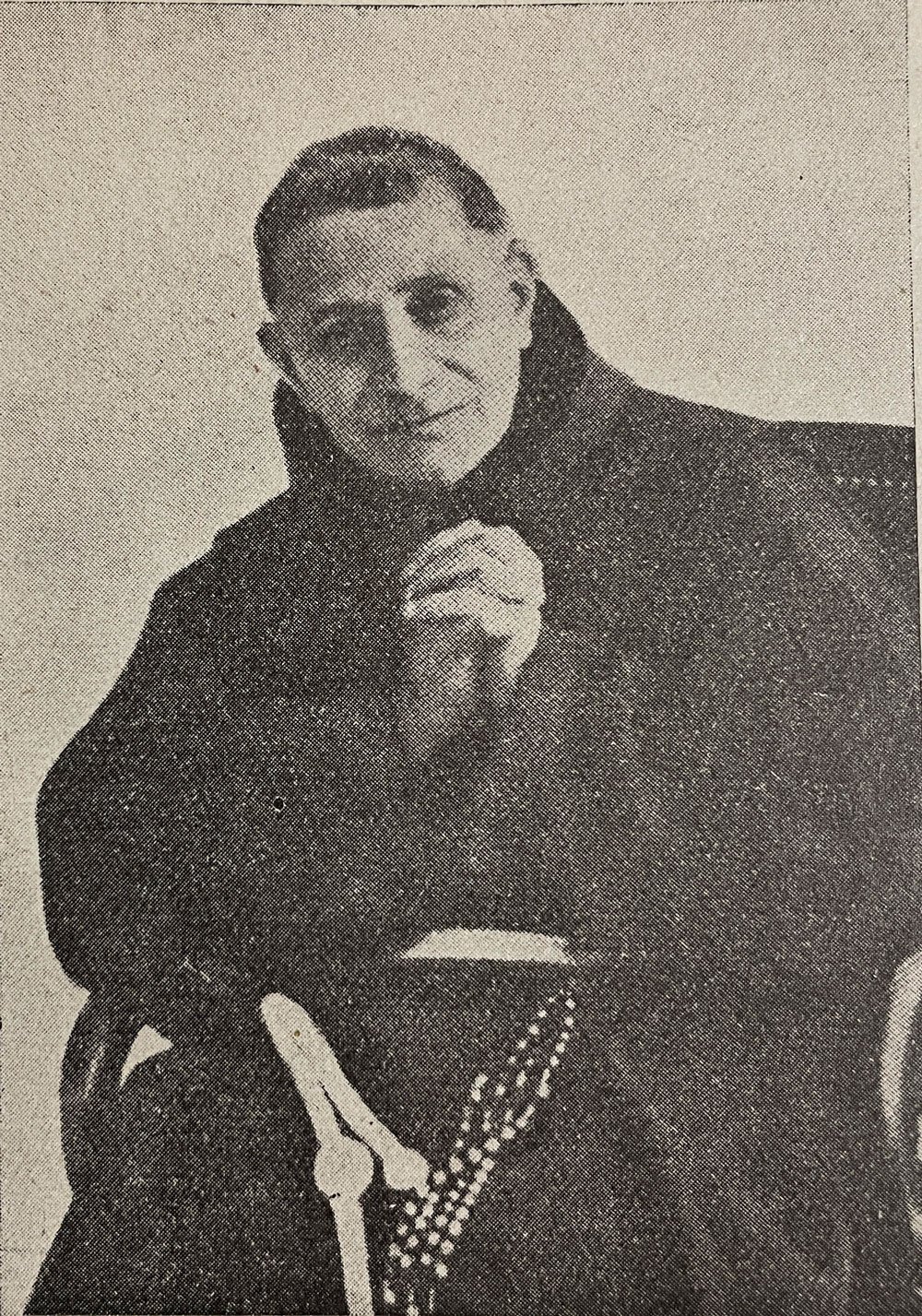
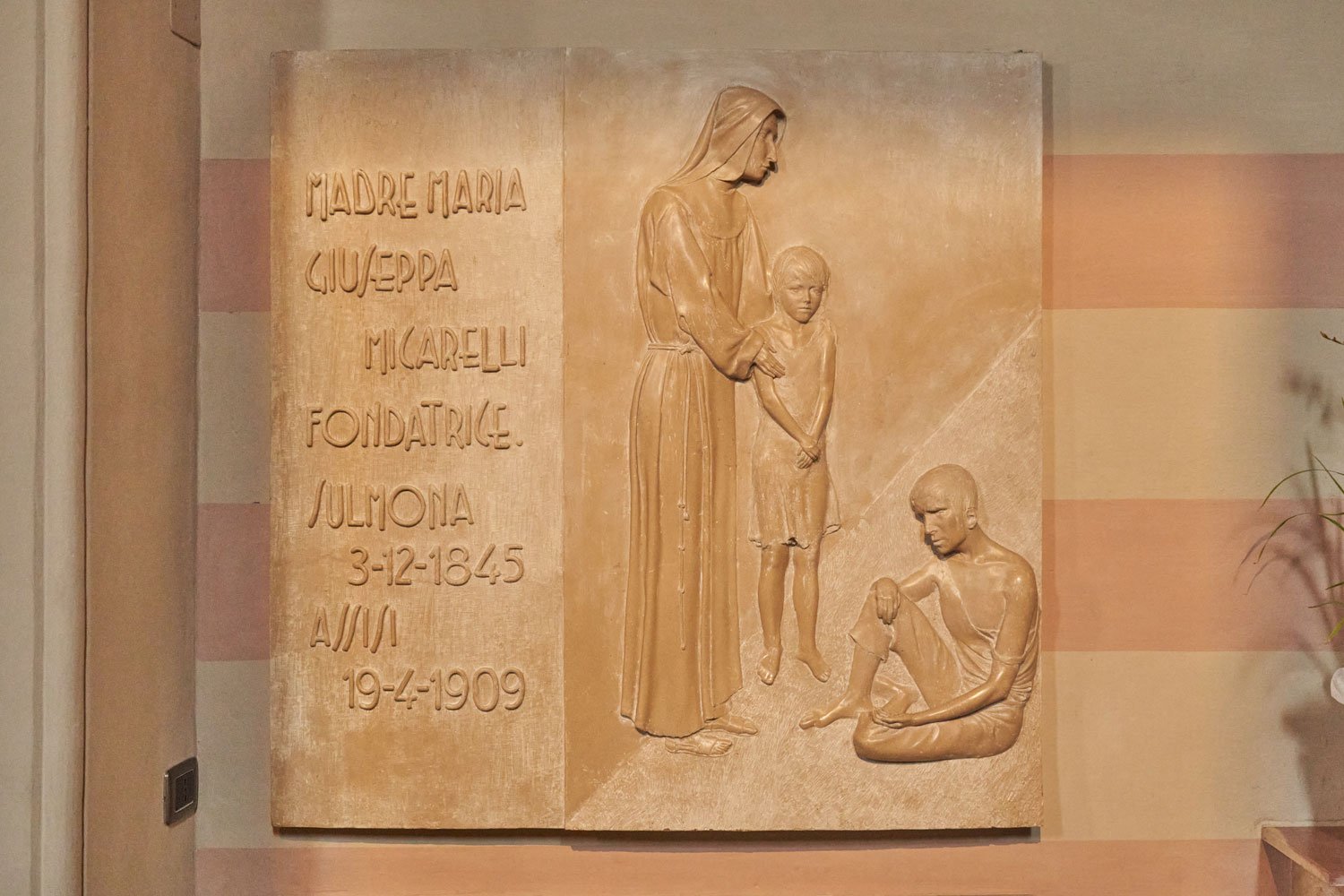
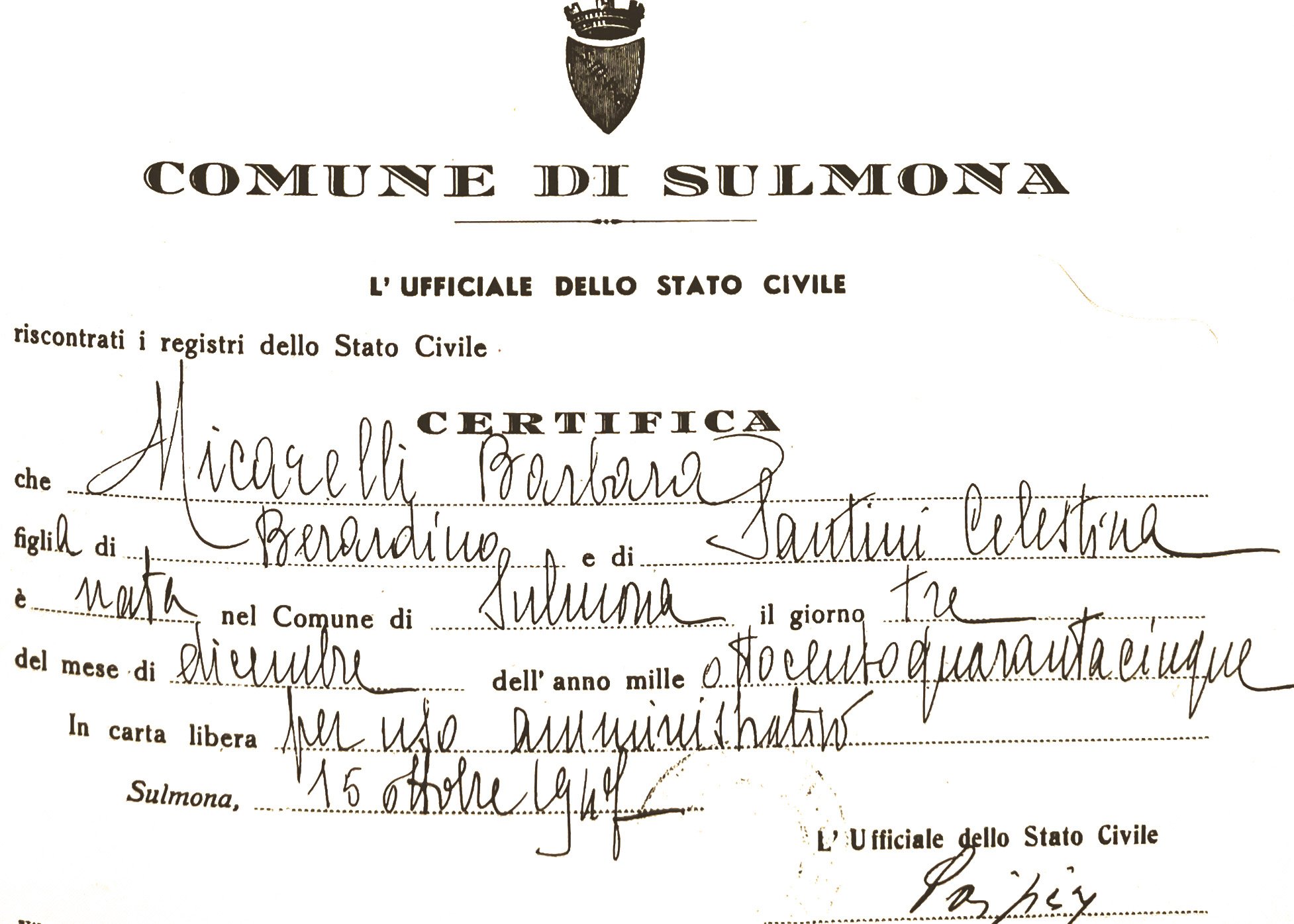
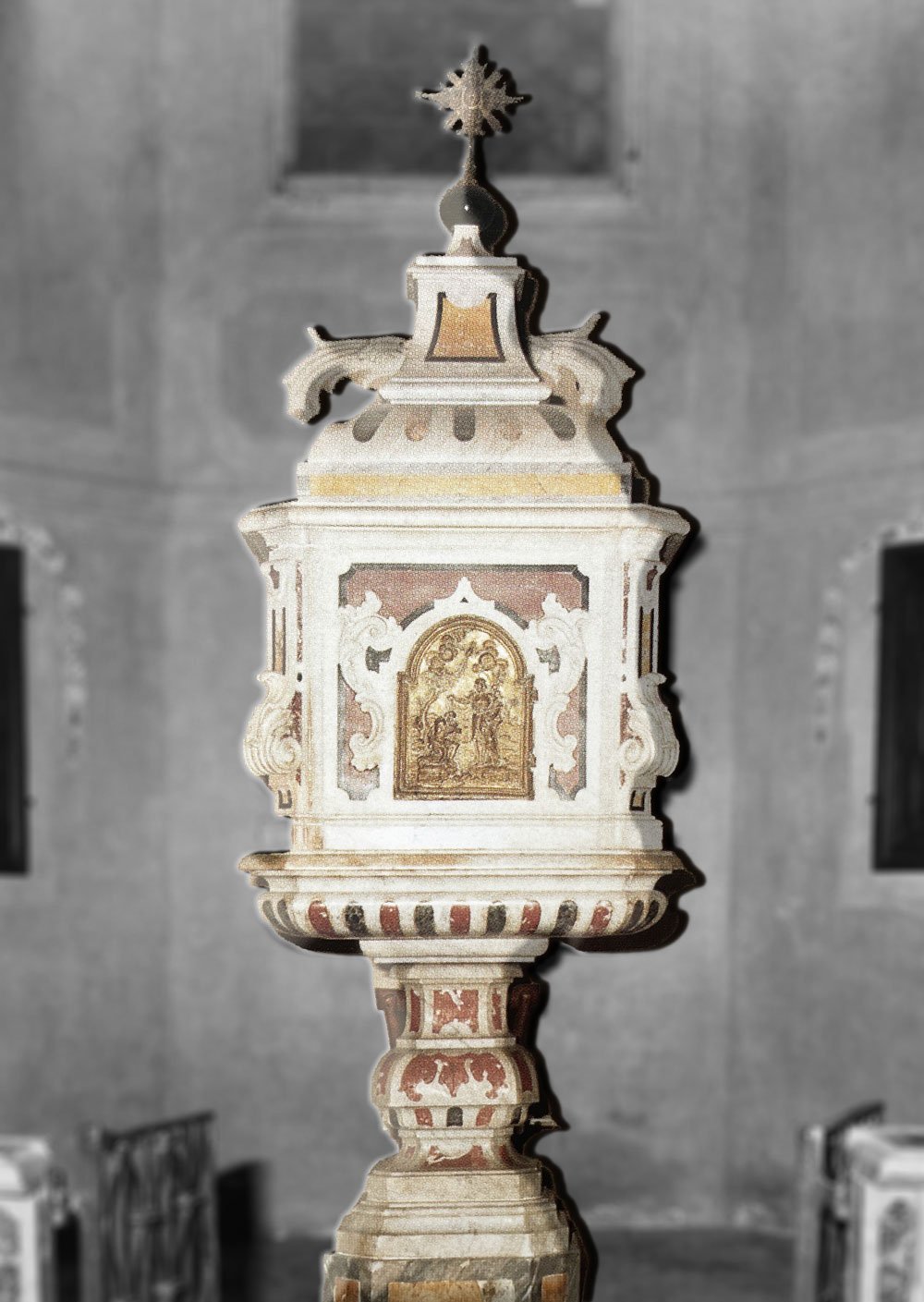
Barbara Micarelli is born in Sulmona on December 3 and baptized the same day in the Cathedral of St. Panfilo.
1857

She moves with her family to L’Aquila, the birthplace of her parents.

1863-1865

Barbara falls seriously ill. Near death, she suddenly recovers. She is convinced: she was miraculously healed by Saint Joseph, who entrusted her to Saint Francis.

The “clear and precise vision” she received during her healing leads her to seek God’s will, guided by the Franciscan friar Father Eusebio of Pratola.

1870

The mission begins: Barbara, her sister Carmela, and Caterina Vicentini begin welcoming girls in difficulty, dedicating themselves to their education.

1878

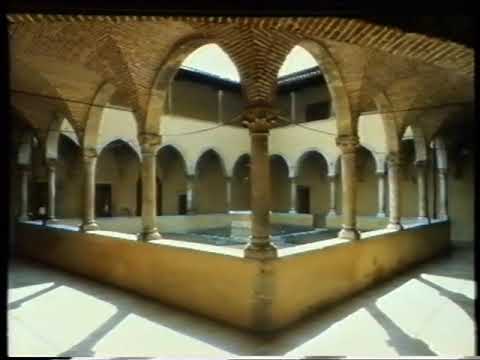
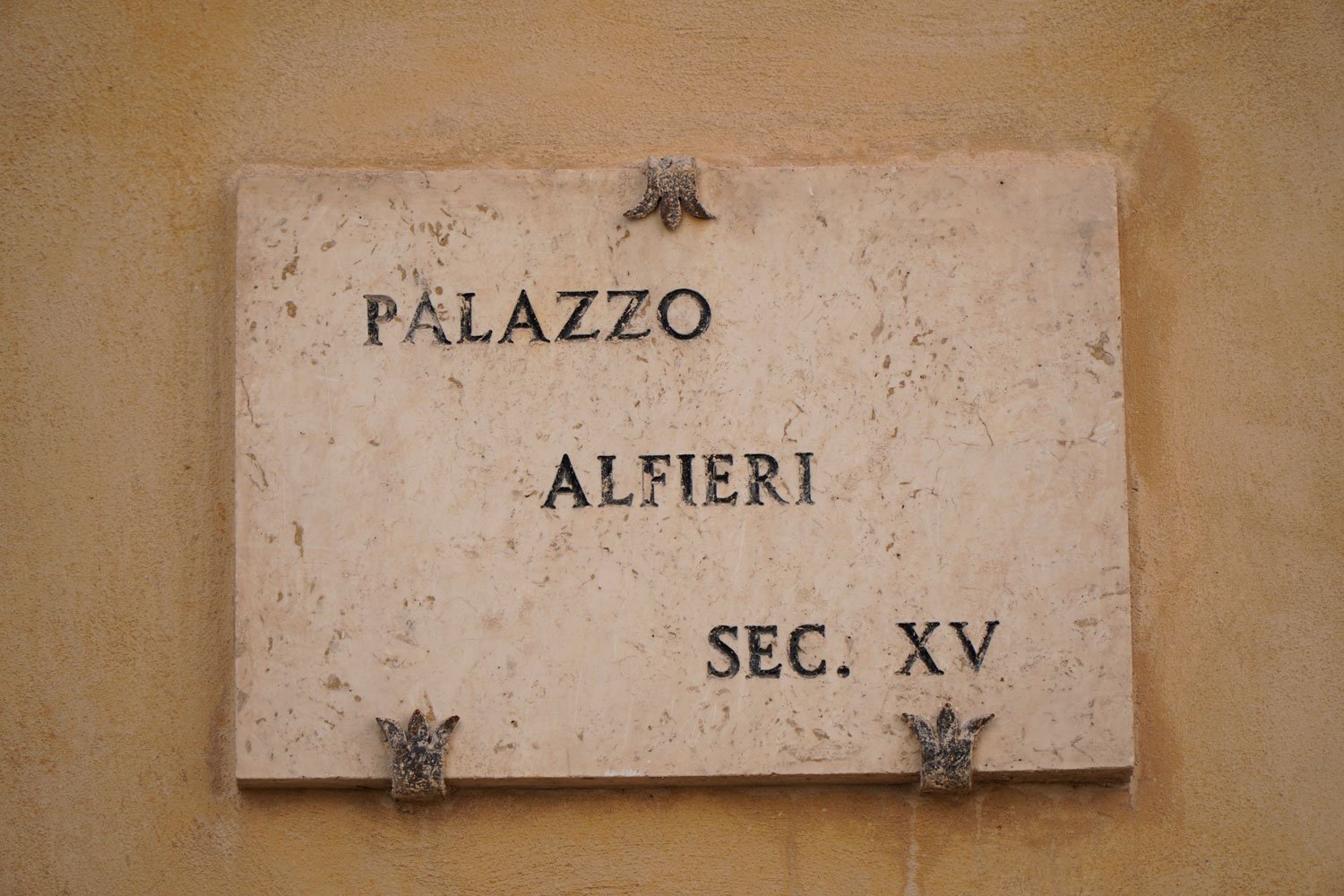
Barbara buys the Picalfieri Palace on Via Fortebraccio in L’Aquila, where she begins living with the first sisters, drawn by a life of poverty and charity.

1879

“God is my Springtime…”

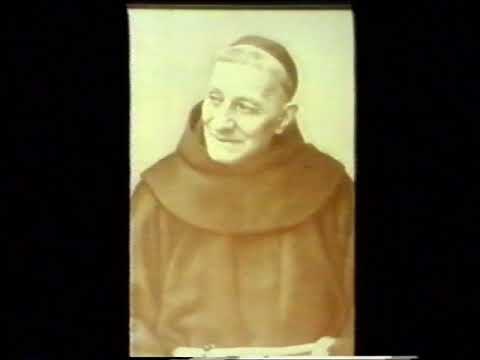
On December 25 in Rome, Barbara professes the vows of chastity and obedience, receiving the Franciscan habit from Father Bernardino of Portogruaro and taking the name Sister Maria Giuseppa of the Child Jesus.

The Institute of the “Poor Franciscan Tertiaries of the Child Jesus” is born.

1882

On January 18 in Rome, in the chapel of the Holy Child at Santa Maria in Aracoeli, she makes her perpetual profession of the four vows: chastity, obedience, poverty, and charity.

1885

Opening of the second house: Guardiagrele in Abruzzo.

1888

“In the shadow of the Porziuncola…”

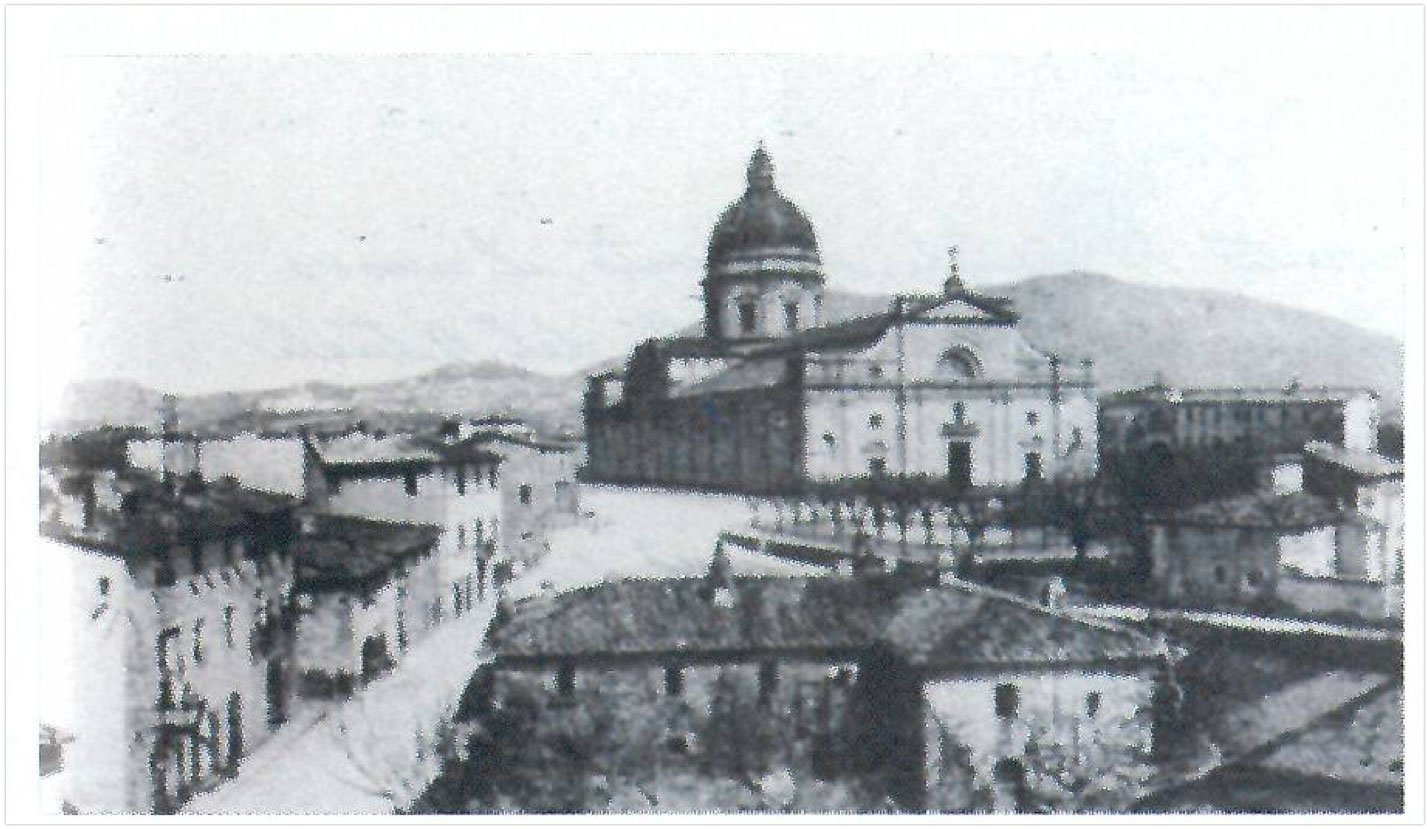
Opening of the house in Santa Maria degli Angeli, Assisi, where the novitiate is transferred. Here, Sr. Maria Giuseppa continues her mission.

1890

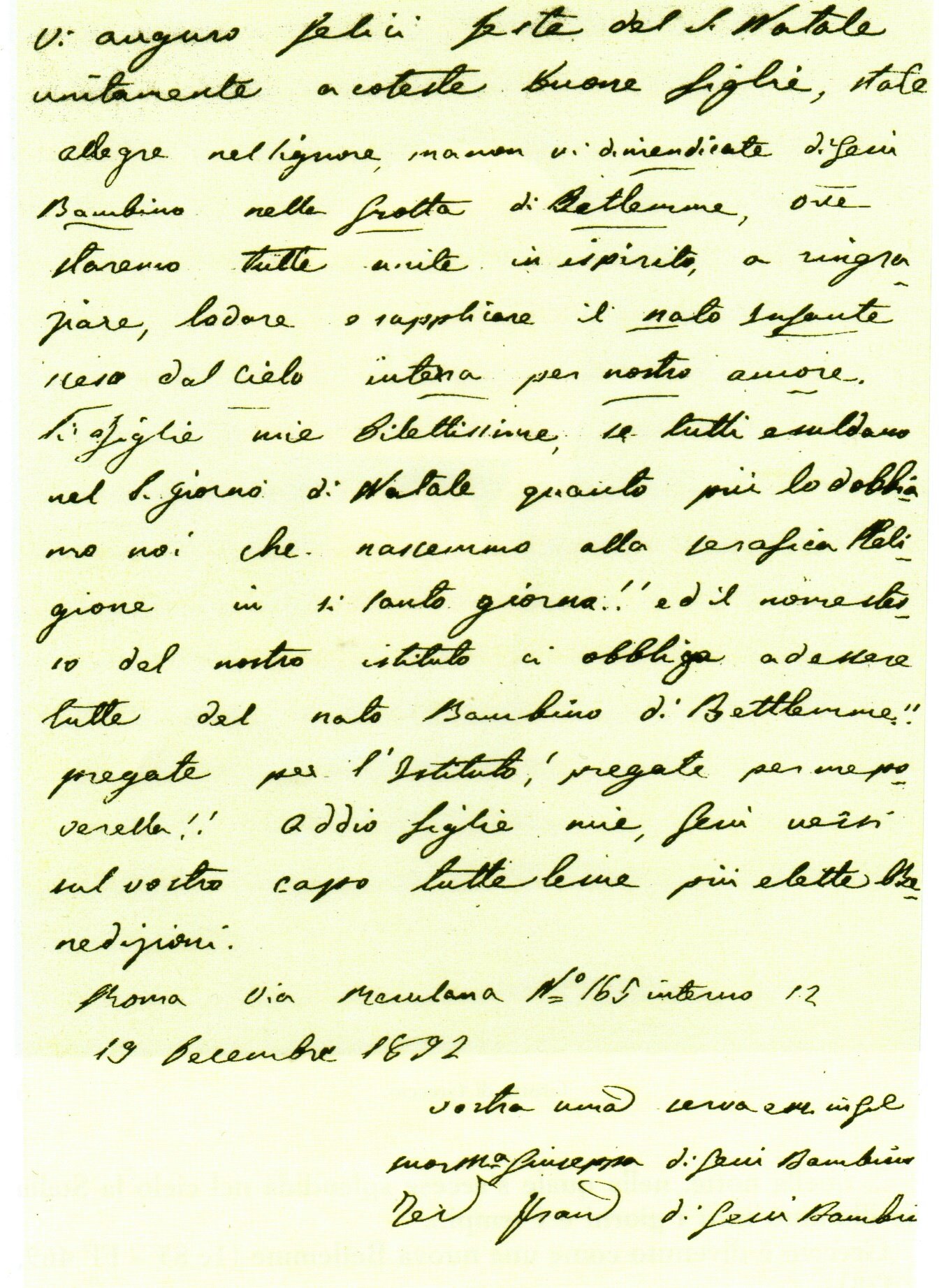
“Sisters…receive our Constitutions with a ready heart as if from our Father Saint Francis himself…” (letter 126)

The Constitutions are approved and printed.

1894

First General Chapter. Sr. Maria Giuseppa is forced to resign as Superior General.

It is a time of suffering for the Foundress due to misunderstandings with the General of the Friars Minor and some of her sisters.

1897

Sr. Maria Giuseppa is sent to Sardinia to open a new fraternity in Bortigali (Nuoro). During her absence from Assisi, the Constitutions are amended.

1898-1899

Tensions with the Institute worsen: she is forbidden to return to Assisi and is suspended from the sacraments for a time.

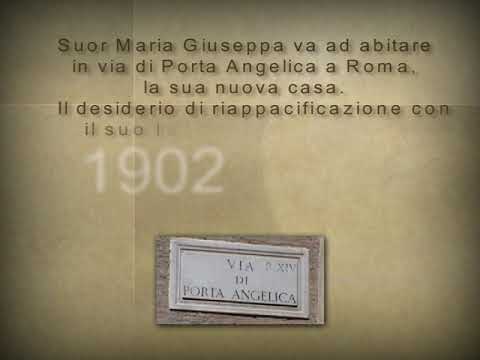
1902

Sr. Maria Giuseppa buys a house on Via Porta Angelica and moves in with her first companion Sr. Maria Francesca Vicentini and novice Sr. Margherita.

1903

Attempts at reconciliation begin, but fail, prompting Sr. Maria Giuseppa to consider a new foundation to remain faithful to her original inspiration.

1906

Sr. Maria Giuseppa begins the process of readmission into the Institute, accepting all conditions imposed on her.

1909

She returns to Santa Maria degli Angeli but is not welcomed by her daughters.

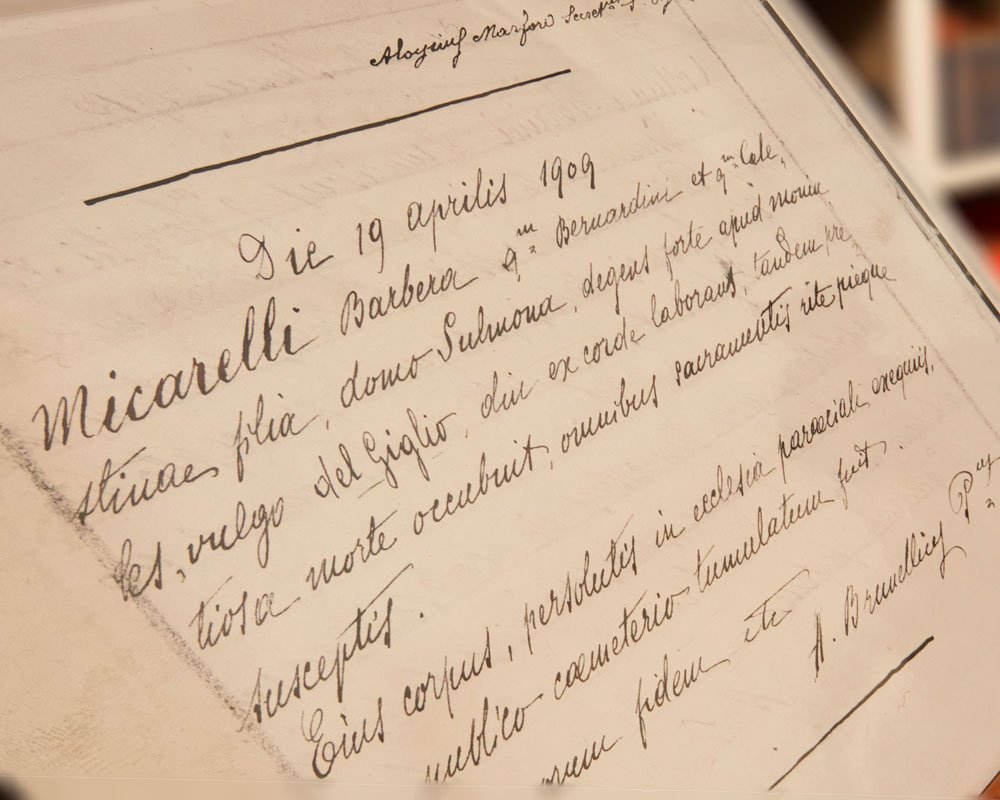
Sr. Maria Giuseppa dies on April 19 in Assisi at the house of the Franciscan Missionary Sisters of Assisi.

1910

The Institute is recognized by the Church as a “work of outstanding charity.”

1926

The mortal remains of the Foundress are transferred to the new chapel of the Sant’Antonio Retreat in Santa Maria degli Angeli.

1927

Opening of the first missions in Peru.

1962

Opening of the first house in Bolivia.

1963

Opening of the first house in the USA.

1964

Opening of the first house in Colombia.

1965

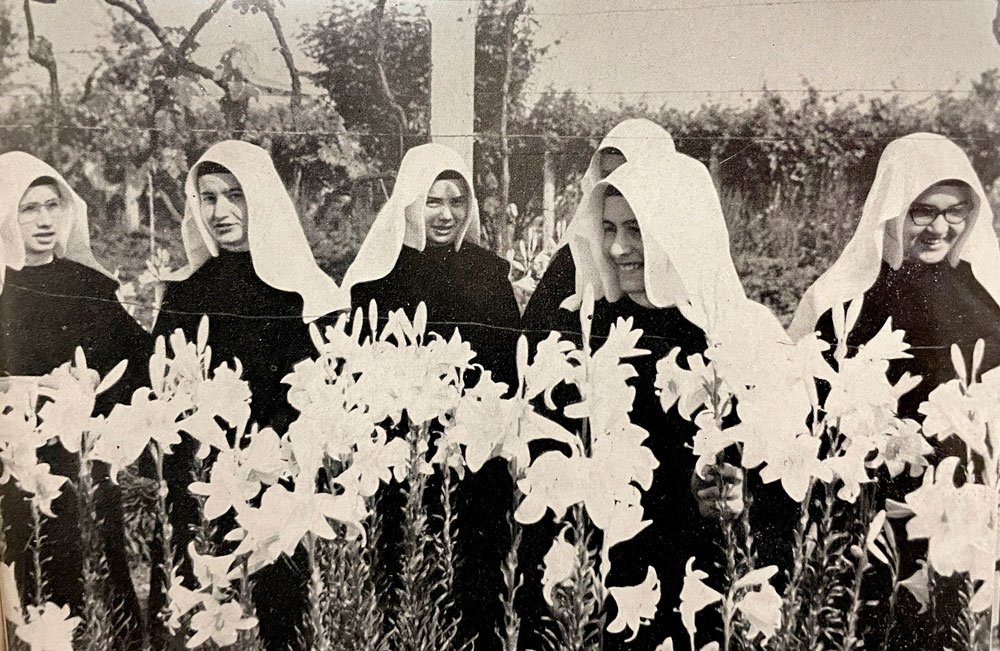
The Institute embraces its missionary identity: we become the Franciscan Missionaries of the Child Jesus.

1980

Opening of the first house in the Philippines.

1992

Opening of the first house in Albania.

1997

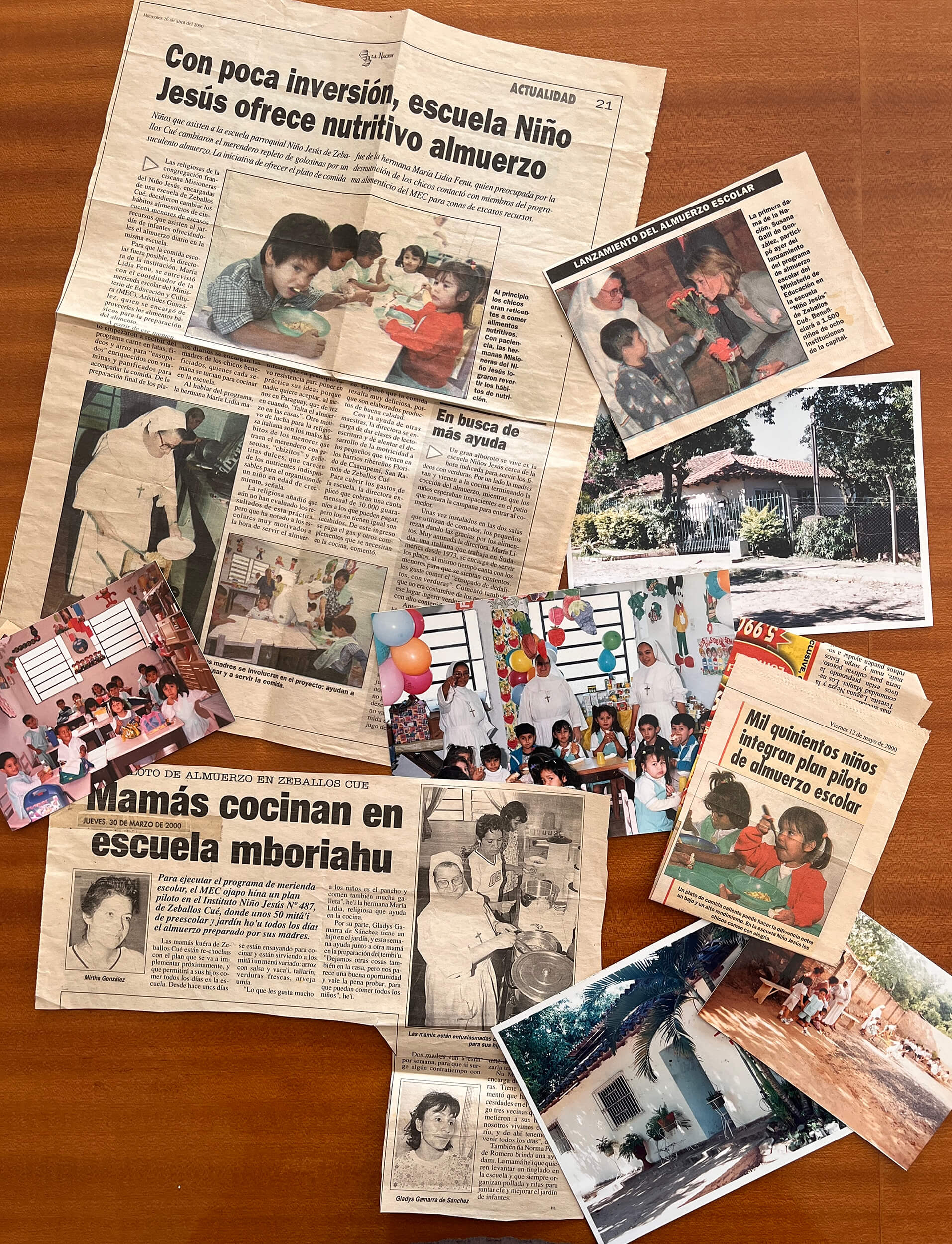
Opening of the first house in Paraguay.

2025

Opening of the first house in Indonesia.

Our walk through history

This timeline is not just a collection of dates, but the living story of a vocation: from the “clear and precise vision” of Mother Maria Giuseppa of the Child Jesus to the profound dedication to the Child Jesus and Saint Francis. Through the milestones of our history, we relive the key moments of a journey made of faith, service, and love. This chronology lists the opening dates of the missions in which we are still present today.

Discover our walk through history
1845

Barbara Micarelli is born in Sulmona on December 3 and baptized the same day in the Cathedral of St. Panfilo.
1857

She moves with her family to L’Aquila, the birthplace of her parents.

1863-1865

Barbara falls seriously ill. Near death, she suddenly recovers. She is convinced: she was miraculously healed by Saint Joseph, who entrusted her to Saint Francis.
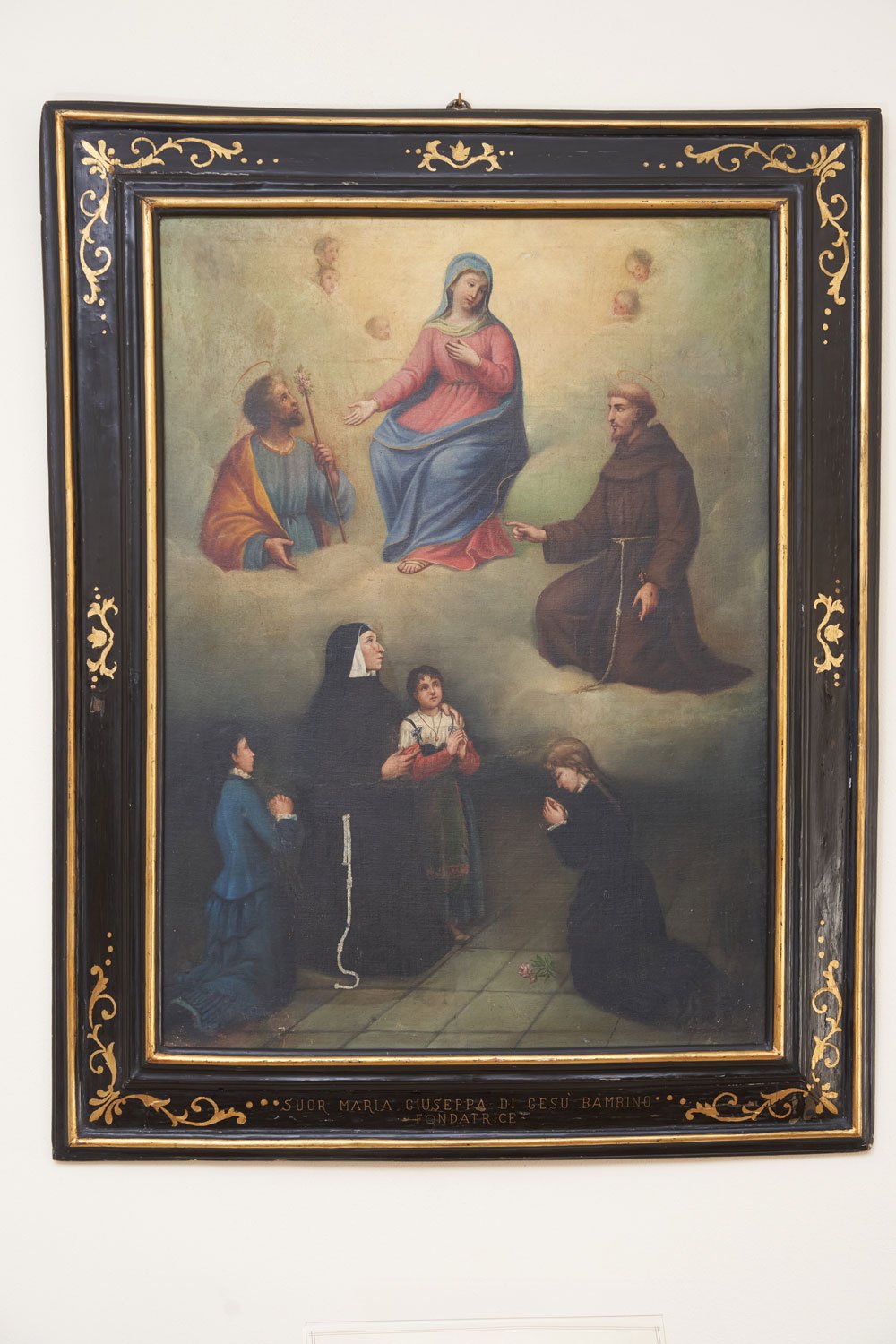
The “clear and precise vision” she received during her healing leads her to seek God’s will, guided by the Franciscan friar Father Eusebio of Pratola.

1870

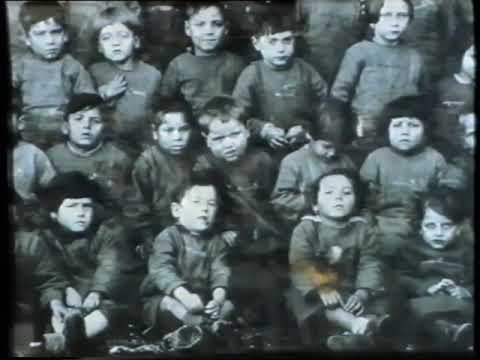
The mission begins: Barbara, her sister Carmela, and Caterina Vicentini begin welcoming girls in difficulty, dedicating themselves to their education.
1878

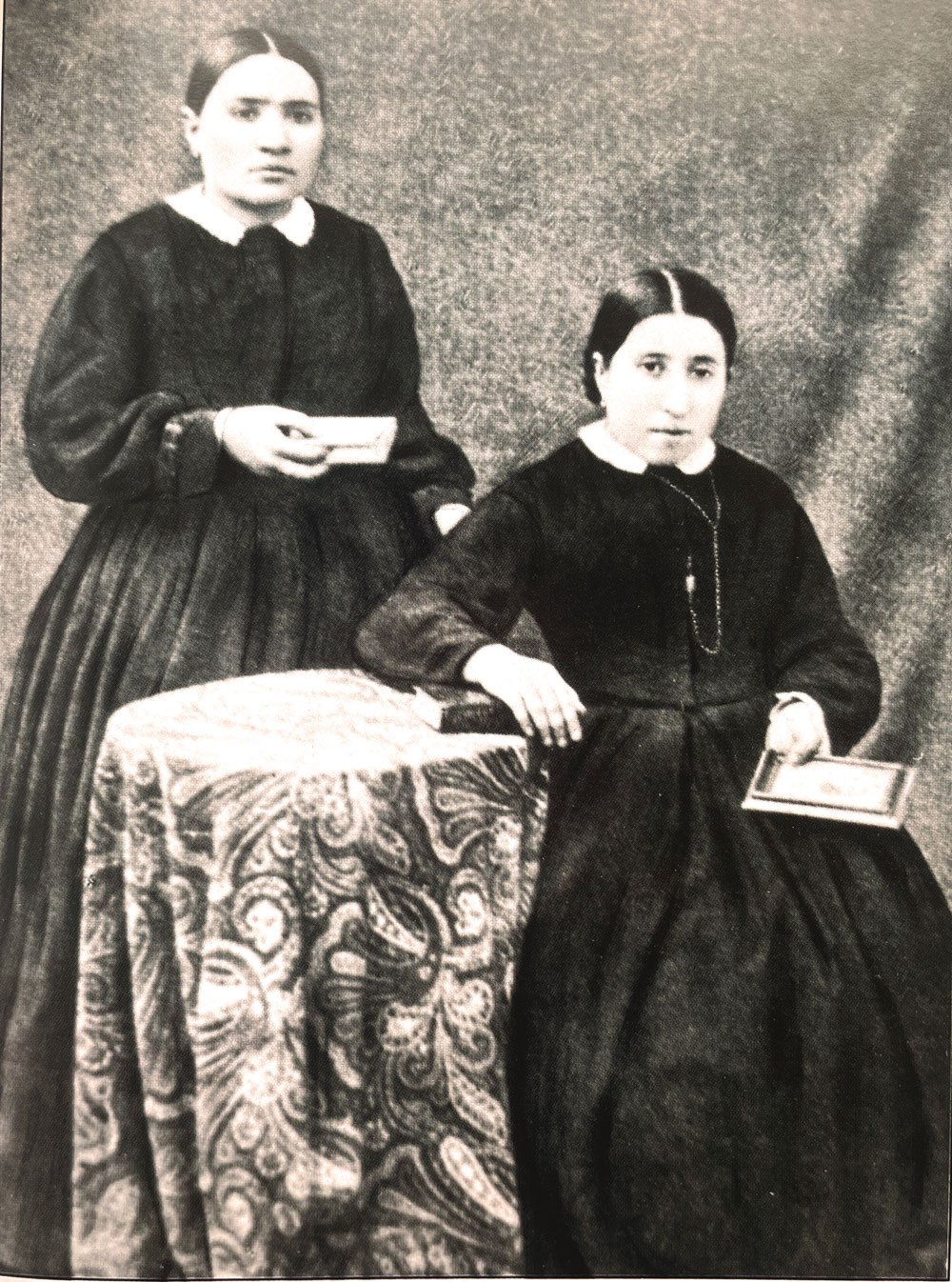
Barbara buys the Picalfieri Palace on Via Fortebraccio in L’Aquila, where she begins living with the first sisters, drawn by a life of poverty and charity.

1879

“God is my Springtime…”

On December 25 in Rome, Barbara professes the vows of chastity and obedience, receiving the Franciscan habit from Father Bernardino of Portogruaro and taking the name Sister Maria Giuseppa of the Child Jesus.

The Institute of the “Poor Franciscan Tertiaries of the Child Jesus” is born.

1882

On January 18 in Rome, in the chapel of the Holy Child at Santa Maria in Aracoeli, she makes her perpetual profession of the four vows: chastity, obedience, poverty, and charity.

1885

Opening of the second house: Guardiagrele in Abruzzo.
1888

“In the shadow of the Porziuncola…”

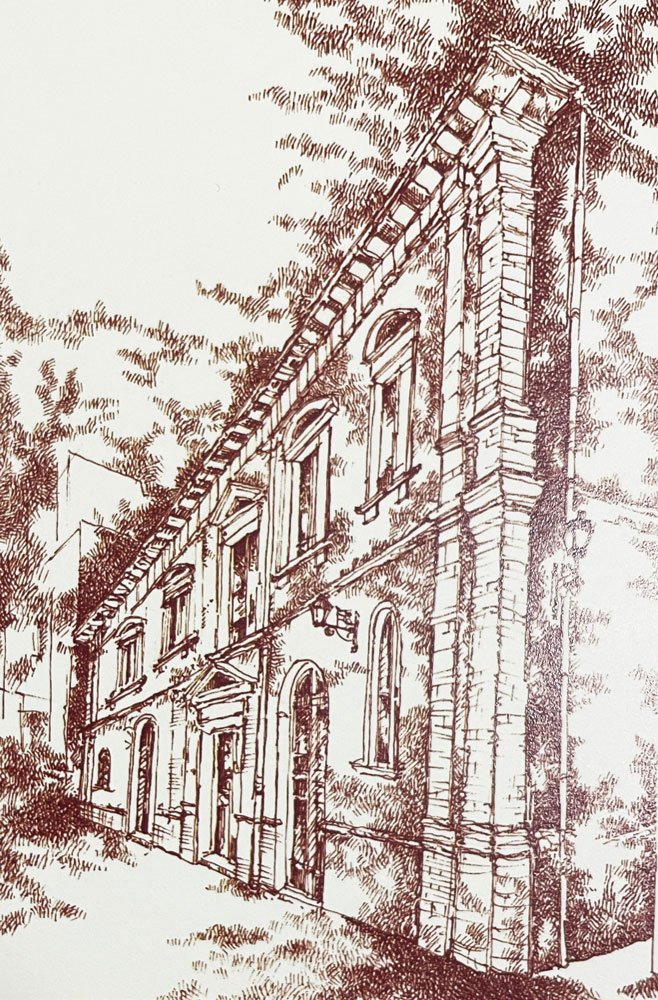
Opening of the house in Santa Maria degli Angeli, Assisi, where the novitiate is transferred. Here, Sr. Maria Giuseppa continues her mission.

1890

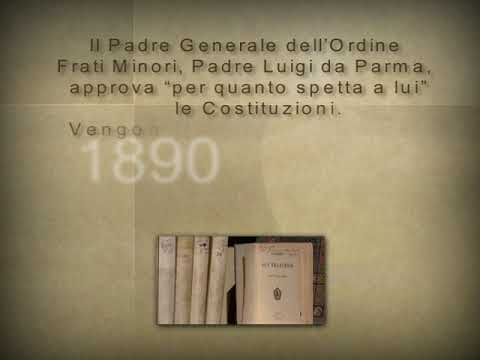
“Sisters…receive our Constitutions with a ready heart as if from our Father Saint Francis himself…” (letter 126)

The Constitutions are approved and printed.
1894

First General Chapter. Sr. Maria Giuseppa is forced to resign as Superior General.

It is a time of suffering for the Foundress due to misunderstandings with the General of the Friars Minor and some of her sisters.

1897

Sr. Maria Giuseppa is sent to Sardinia to open a new fraternity in Bortigali (Nuoro). During her absence from Assisi, the Constitutions are amended.
1898-1899

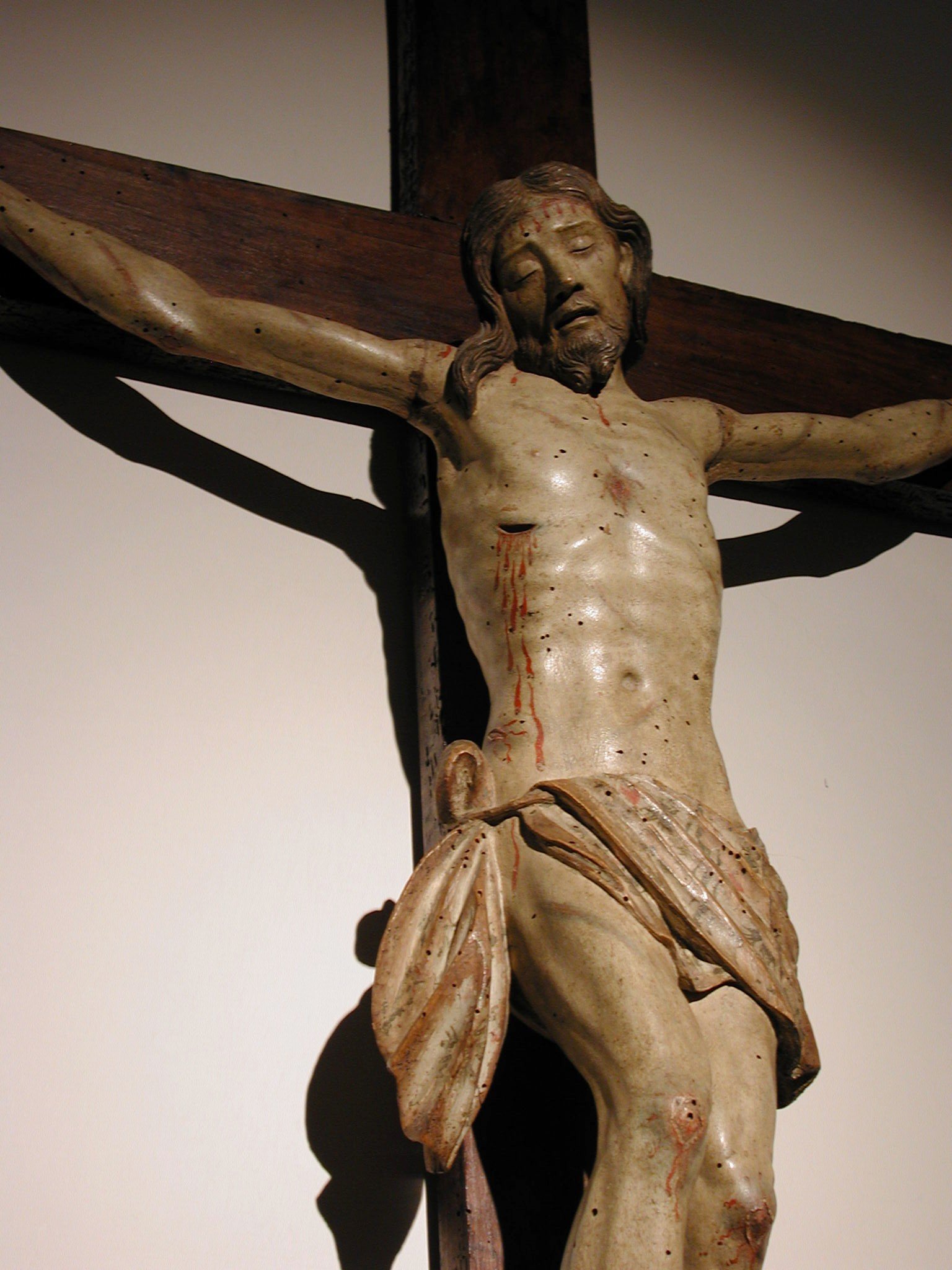
Tensions with the Institute worsen: she is forbidden to return to Assisi and is suspended from the sacraments for a time.

1902

Sr. Maria Giuseppa buys a house on Via Porta Angelica and moves in with her first companion Sr. Maria Francesca Vicentini and novice Sr. Margherita.
1903

Attempts at reconciliation begin, but fail, prompting Sr. Maria Giuseppa to consider a new foundation to remain faithful to her original inspiration.

1906

Sr. Maria Giuseppa begins the process of readmission into the Institute, accepting all conditions imposed on her.
1909

She returns to Santa Maria degli Angeli but is not welcomed by her daughters.

Sr. Maria Giuseppa dies on April 19 in Assisi at the house of the Franciscan Missionary Sisters of Assisi.

1910

The Institute is recognized by the Church as a “work of outstanding charity.”
1926

The mortal remains of the Foundress are transferred to the new chapel of the Sant’Antonio Retreat in Santa Maria degli Angeli.

1927

Opening of the first missions in Peru.
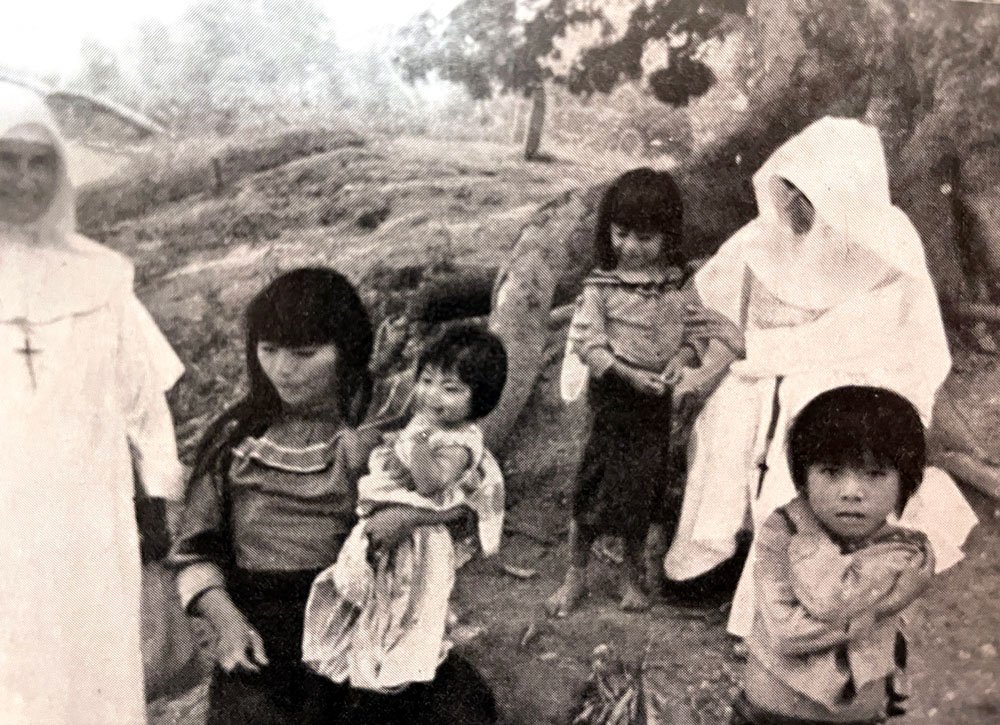
1962

Opening of the first house in Bolivia.

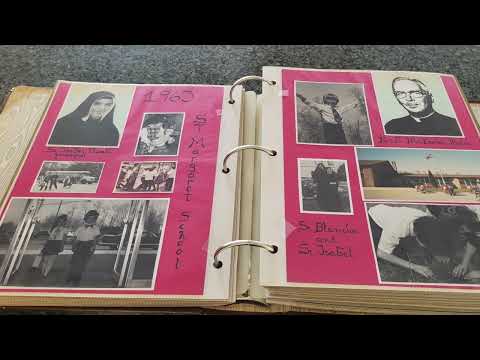
1963

Opening of the first house in the USA.
1964

Opening of the first house in Colombia.

1965

The Institute embraces its missionary identity: we become the Franciscan Missionaries of the Child Jesus.
1980

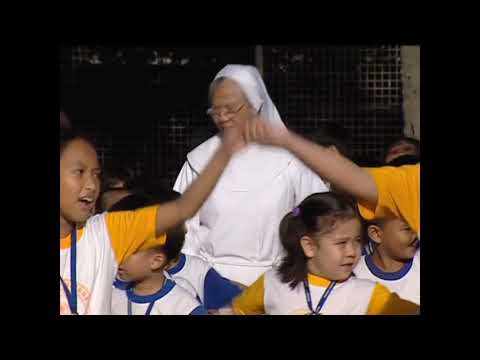
Opening of the first house in the Philippines.

1992

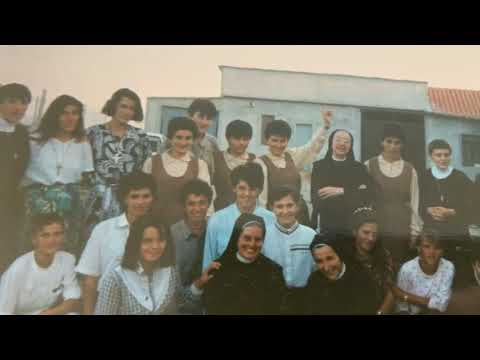
Opening of the first house in Albania.
1997

Opening of the first house in Paraguay.

2025

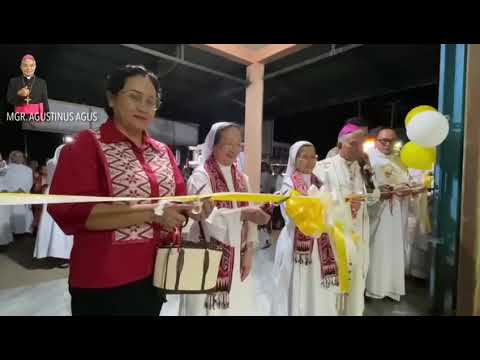
Opening of the first house in Indonesia.
Our walk does not stop here: with the same love we continue to write our story, day after day towards new paths of faith and mission.